Quick meaning
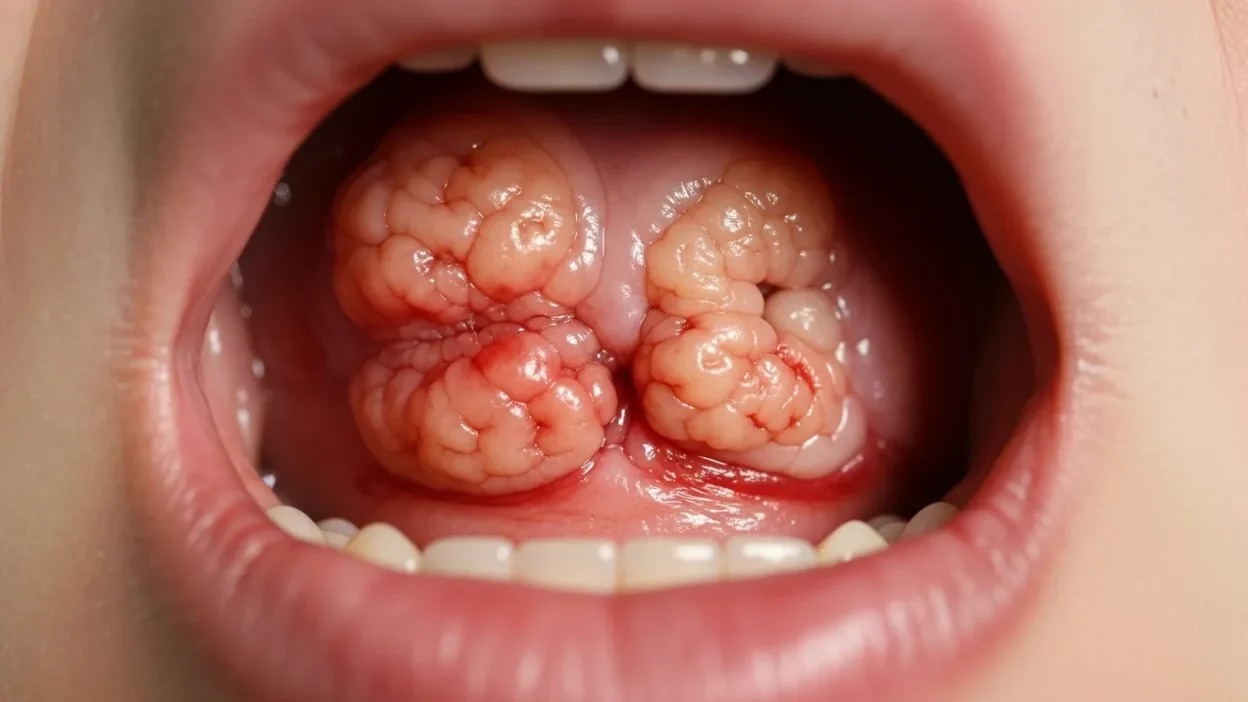
Throat cancer may appear as lumps, white or red patches, persistent sores, or unusual growths in the throat or neck area.
Throat cancer is a serious condition that affects the tissues of your throat, including the pharynx, larynx, and sometimes the tonsils. Many people feel confused about what it looks like because early stages may show only subtle changes. Often, people search online after noticing persistent sore throats, lumps, or difficulty swallowing, wondering if it could be cancer. Understanding the visual signs and symptoms is important for early detection and treatment.
Throat cancer can vary in appearance depending on the stage, type, and exact location. Recognizing warning signs early can save lives. Awareness of these signs helps people take action and seek medical advice promptly.
Common Signs and Visual Appearance
Throat cancer can present differently based on the affected area. Here’s what to look for:
- Lumps or Bumps
- Often felt in the neck or throat.
- May be painless initially.
- Can grow slowly over time.
- White or Red Patches
- Irregular patches on the throat, tonsils, or tongue.
- May look like ulcers or persistent irritation.
- Persistent Sores
- Sore spots that do not heal within a few weeks.
- May bleed or cause discomfort.
- Changes in Voice or Throat
- Hoarseness or change in pitch.
- Difficulty speaking clearly.
- Difficulty Swallowing or Pain
- Feeling of food sticking in the throat.
- Pain during swallowing or eating.
- Ear or Neck Pain
- Pain may radiate from throat to ears.
- Persistent discomfort even without infection.
Visual Table for Throat Cancer Signs
| Symptom | Appearance | Possible Location |
|---|---|---|
| Lumps | Smooth or firm bump | Neck, throat, under jaw |
| Red patches | Inflamed or reddish tissue | Throat lining, tonsils |
| White patches | Whitish or pale spots | Tongue, throat, tonsils |
| Persistent sores | Ulcers that don’t heal | Throat, mouth, tonsils |
| Voice changes | Hoarseness or scratchy sound | Larynx |
Early vs Advanced Stages
- Early Stage: Small patches, mild lumps, or subtle hoarseness. Often painless and easy to ignore.
- Advanced Stage: Larger growths, visible tumors, persistent pain, bleeding, difficulty swallowing, weight loss.
Risk Factors
Throat cancer is more likely in individuals with certain risk factors:
- Smoking or tobacco use.
- Excessive alcohol consumption.
- HPV (human papillomavirus) infection.
- Poor diet and low intake of fruits and vegetables.
- Family history of cancer.
When to See a Doctor
It is important to seek medical attention if you notice:
- Lumps that last more than two weeks.
- White or red patches that do not heal.
- Persistent sore throat or hoarseness.
- Pain or difficulty swallowing.
- Unexplained ear pain or weight loss.
Early detection significantly improves the chances of successful treatment.
FAQs
What does early throat cancer look like?
Small red or white patches, mild lumps, or subtle hoarseness.
Can throat cancer be seen in the mouth?
Yes, it may appear on the tongue, tonsils, or throat lining.
Is throat cancer always painful?
Not always. Early stages may be painless, making awareness important.
Can throat cancer cause lumps in the neck?
Yes, swelling or lumps under the jaw or neck can be a sign.
What is the most common visible sign of throat cancer?
Persistent sores, unusual patches, and lumps in the throat or neck.
Conclusion
Throat cancer can appear as lumps, white or red patches, persistent sores, and changes in voice or swallowing. Early detection is key, so noticing subtle changes in your throat or neck is important.
Understanding the signs can help you seek timely medical care, which increases the likelihood of successful treatment and recovery. Regular check ups and awareness of risk factors play a vital role in maintaining throat health.
See Also More :
- What Does Standing on Business Mean? Definition & Meaning Explained 2026
- What Does Ditto Mean in Texts and Speech? 2026