
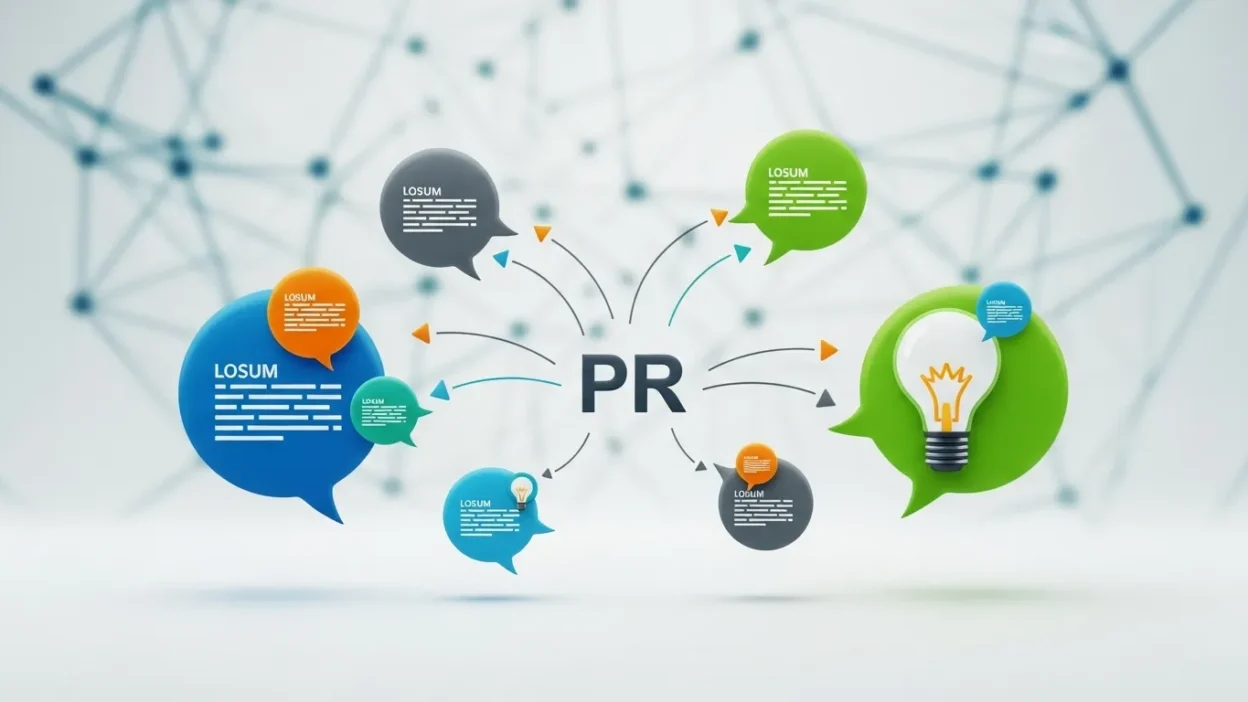
You may have seen PR in conversations, news articles, job descriptions, or social media and wondered what it really means. PR is a short abbreviation that can have different meanings depending on the context. It is widely used in business, sports, technology, and even casual texting. At first, seeing “PR” without explanation can be confusing, especially because it appears in both professional and informal settings.
In business and media, PR usually refers to Public Relations, which is about managing a company or person’s image. In sports or fitness, PR can mean Personal Record, the best performance someone has achieved. On social media, some people even use PR casually for other meanings like Press Release or Peer Review.
Understanding PR helps you avoid misunderstandings. Whether reading an article, following fitness updates, or exploring careers, knowing what PR stands for gives you clarity and confidence.
PR in Business and Media
In the business world, PR stands for Public Relations.
It involves managing the public image of a company, brand, or individual. PR professionals communicate with media, create campaigns, and handle public perception to build a positive reputation.
Tasks in PR include:
- Writing press releases
- Managing social media accounts
- Handling media interviews
- Organizing events
- Responding to crises
Example:
“The company’s PR team issued a statement to explain the product recall.”
Here, PR is all about image, reputation, and public communication.
PR in Sports and Fitness
In sports, PR usually means Personal Record.
It refers to the best performance someone has achieved in a particular exercise, race, or competition. Tracking PRs helps athletes measure progress and set new goals.
Examples:
- “I ran 5K in 22 minutes today – new PR!”
- “She lifted 100kg in deadlift, that’s her PR.”
PR motivates athletes to improve and provides a clear benchmark for personal achievement.
Other Meanings of PR
Besides business and sports, PR can have other meanings depending on the context:
| Context | PR Stands For | Meaning |
|---|---|---|
| Media | Press Release | Official announcement to the public |
| Academic | Peer Review | Evaluation of research by experts |
| Technology | Pull Request | Software development term in coding |
| Texting/Online | PR | Sometimes used to mean “Public Relations” casually |
The key is to understand the situation before interpreting PR.
PR vs Public Relations
Sometimes people confuse the abbreviation PR with its full term. Public Relations is the actual profession or process, while PR is just the short form used in writing and conversation.
Example:
- Full term: “She works in Public Relations at a tech company.”
- Abbreviation: “She works in PR at a tech company.”
Both are correct; PR is simply easier to write and say.
PR vs Personal Record
Similarly, in sports, PR is often used instead of writing “Personal Record” each time.
Example:
- Full term: “I beat my Personal Record in the 100m sprint.”
- Abbreviation: “I set a new PR in the 100m sprint.”
Using PR saves space and makes communication faster in fitness circles.
How to Identify the Correct Meaning
To understand what PR means in a specific context, ask yourself:
- Is it about business or media? → Likely Public Relations
- Is it about sports or fitness? → Likely Personal Record
- Is it about announcements or documents? → Could be Press Release
- Is it in coding or tech? → Could be Pull Request
The setting and topic guide the correct interpretation.
Real Life Examples
Business: “Our PR team handled the media after the product launch.”
Sports: “I just set a new PR in bench press today!”
Academics: “The journal accepted my article after PR by experts.”
Technology: “I submitted a PR on GitHub for the new feature.”
Each example uses PR differently, but all are correct.
Conclusion
PR is a versatile abbreviation with meanings that depend on context. In business, it usually stands for Public Relations, which manages reputation and communication. In sports, PR means Personal Record, tracking the best performance of an athlete. Other meanings include Press Release, Peer Review, and Pull Request in specific contexts.
Understanding the correct meaning of PR comes down to paying attention to the setting. Once you know the context, you can confidently interpret and use PR in writing, conversation, social media, or professional settings.
See Also More :
- What Does LMS Mean? Full Meaning and Uses Explained (2026)
- What Does an Air Purifier Do? Complete Guide for Clean Indoor Air (2026)