Quick meaning
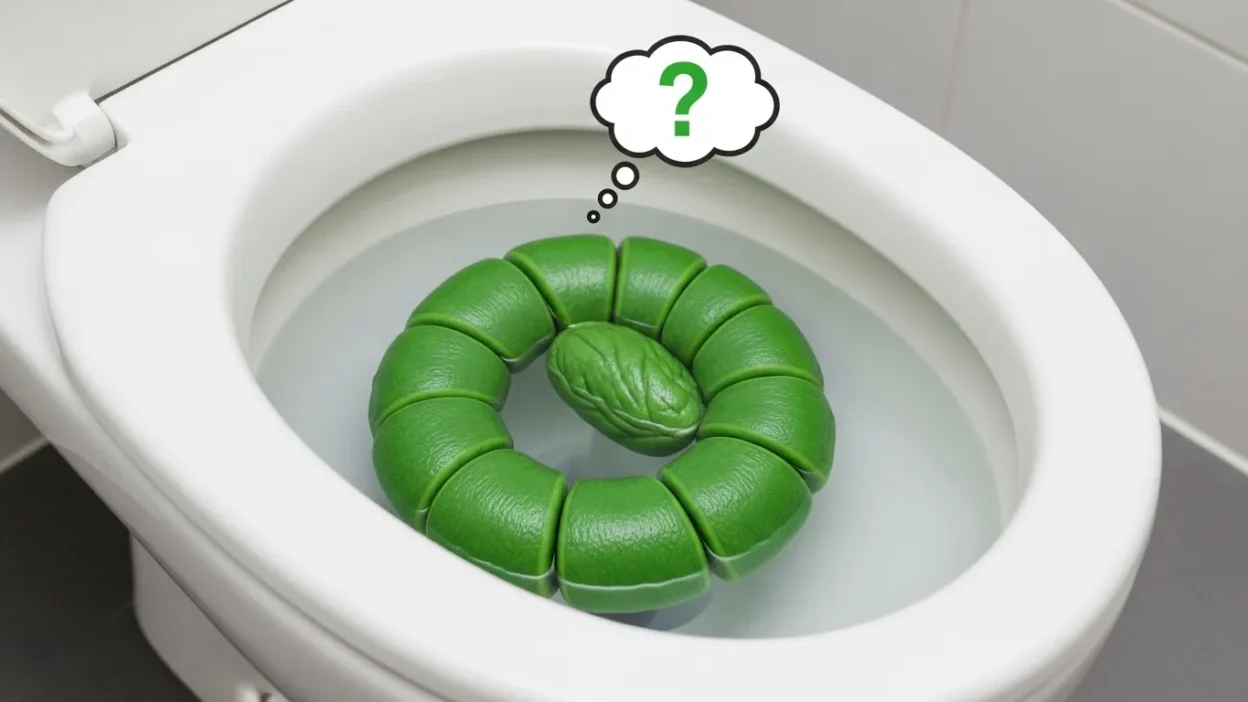
Green poop usually means digestion is happening faster than normal or your diet includes green foods, food coloring, or supplements.
Bathroom habits are something most people do not talk about openly, yet they can reveal a lot about your health. One of the most common surprises people experience is noticing green poop in the toilet. This can instantly raise concern and make you wonder if something is wrong inside your body. Many people feel confused because stool color is usually brown, so any sudden change feels alarming.
The good news is that green poop is often harmless and temporary. In many cases, it is linked to what you eat, how fast your digestion is working, or small changes in your daily routine. Still, there are times when green stool can signal an underlying issue that should not be ignored. Understanding the meaning behind green poop helps you stay calm, informed, and aware of when action is needed.
What Green Poop Means in Simple Words
Normally, poop is brown because of bile. Bile is a digestive liquid produced by the liver, and it starts out green. As food moves through your intestines, bile changes color from green to brown. When digestion is slow and balanced, stool looks brown.
When digestion happens too quickly, bile does not get enough time to change color. As a result, poop stays green. This is why green stool often appears during diarrhea or digestive upset.
In simple terms, green poop usually reflects digestion speed or diet rather than a serious disease.
Meaning Table for Green Poop
| Stool Appearance | Possible Meaning | What It Usually Indicates |
|---|---|---|
| Light green poop | Fast digestion | Mild stomach upset or diet change |
| Dark green poop | Iron or supplements | Vitamins or iron tablets |
| Green loose stool | Diarrhea | Food intolerance or infection |
| Green poop with mucus | Gut irritation | Inflammation or infection |
| Green poop after greens | High vegetable intake | Spinach, kale, broccoli |
This table shows that green poop can have many meanings depending on appearance and context.
Common Causes of Green Poop
Green poop can appear for several everyday reasons. Each cause affects digestion in a slightly different way.
Diet and Food Choices
Eating leafy green vegetables like spinach, kale, and lettuce can turn stool green. These foods contain chlorophyll, which can pass through the digestive system without fully breaking down.
Artificial food coloring is another major cause. Green, blue, or purple dyes found in candies, drinks, and desserts can change stool color quickly.
Fast Digestion and Diarrhea
When food moves too quickly through the intestines, bile does not have time to turn brown. This often happens during diarrhea. Stress, anxiety, food poisoning, or stomach bugs can all speed up digestion.
In these cases, green poop is usually temporary and clears once digestion slows down.
Supplements and Medications
Iron supplements commonly cause dark green or green black stool. Some antibiotics and medications can also change stool color by altering gut bacteria.
If green poop appears after starting a new medicine or supplement, that is often the explanation.
Infections and Gut Imbalance
Certain bacterial or viral infections can cause green poop, especially when combined with cramps, fever, or frequent bowel movements. These infections speed up digestion and irritate the intestines.
This cause is less common but more important to monitor.
Is Green Poop Dangerous
Green poop by itself is usually not dangerous. Many healthy people experience it at least once. If you feel normal and have no pain or fever, it is often harmless.
However, green poop becomes concerning when it lasts several days or appears with other symptoms. These symptoms include dehydration, stomach pain, vomiting, fever, or blood in stool. In those situations, medical advice is recommended.
Green Poop in Adults and Children
Adults often get green poop due to diet, stress, supplements, or mild infections. Lifestyle changes can strongly affect digestion speed.
Children and babies experience green poop more often. Formula changes, teething, or immature digestion can all cause it. Breastfed babies may also have green stool occasionally, which is usually normal.
In both age groups, duration and symptoms matter more than color alone.
How Long Green Poop Should Last
Diet related green poop usually disappears within one or two bowel movements. Once digestion slows or food intake changes, stool returns to brown.
If green poop lasts longer than three days or keeps coming back frequently, it may indicate a digestive issue that needs attention.
FAQs
Is green poop normal
Yes, green poop is often normal and linked to diet or digestion speed.
Can stress cause green poop
Yes, stress can speed up digestion and lead to green stool.
Does green poop mean infection
Not always, but infection is possible if there is fever, pain, or diarrhea.
Can vitamins change poop color
Yes, iron supplements and multivitamins can turn poop green.
When should I worry about green poop
You should worry if it lasts several days or comes with pain, fever, or blood.
Conclusion
Green poop may look concerning, but most of the time it is harmless and temporary. It usually reflects diet choices, digestion speed, supplements, or mild stomach changes. The body often signals small changes through stool color, and green is one of the most common variations.
Pay attention to how you feel overall rather than focusing only on color. If green poop appears briefly and you feel fine, there is usually no reason to worry. However, if it continues or comes with other symptoms, seeking medical advice is a smart and responsible step.
See Also More :
- What Does Strep Throat Feel Like? Symptoms and Real Experience Explained 2026
- What Does PR Mean? Full Meaning and Uses Explained (2026)