Have you ever heard someone say, “That’s just their culture,” and wondered exactly what they meant? Or maybe you were learning about different countries and saw the word “culture” everywhere on social media, in school, or at work. Culture is one of those words that seems simple at first, but it’s actually very rich and wide ranging.
Culture shapes how people live, what they value, and even how they communicate. Understanding culture helps us appreciate traditions, connect with others, and navigate the world more effectively.
In this article, we’ll break down what culture really means, explore its types, and see why it’s so important in everyday life.
Culture is the shared beliefs, values, customs, behaviors, and traditions of a group of people. It influences how people live, think, and interact in society.
🧠 What Does Culture Mean?
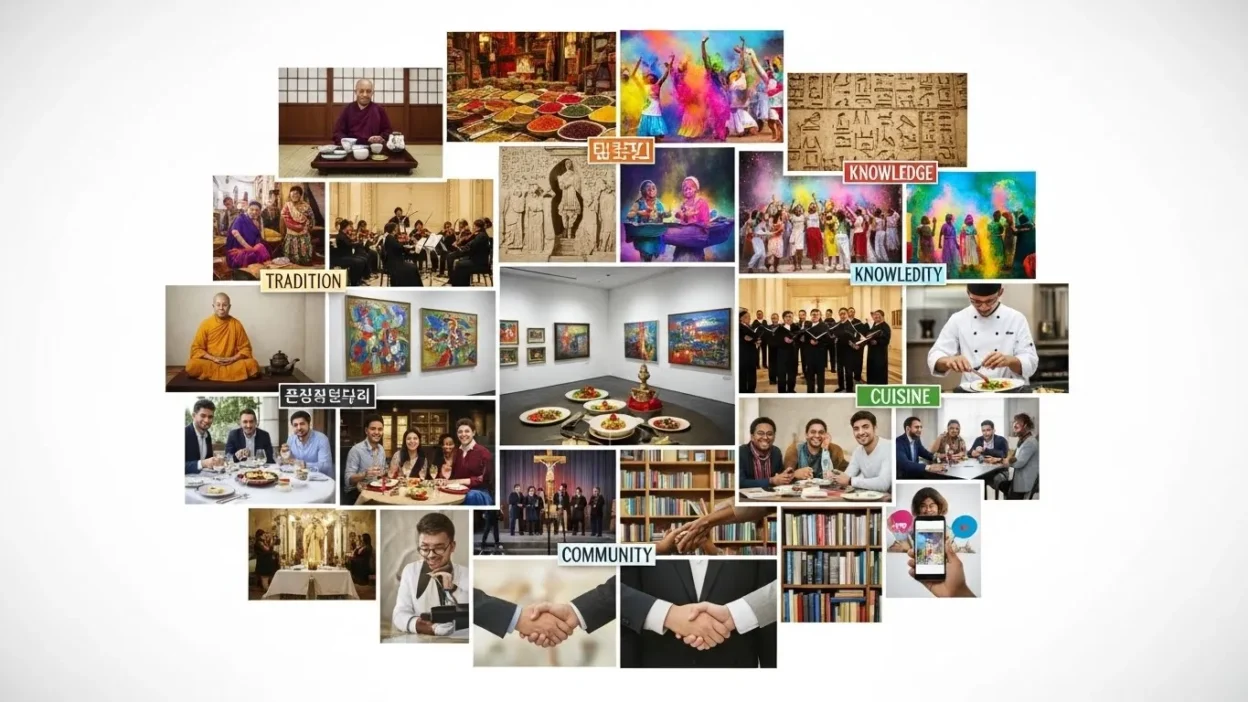
Culture is the social and behavioral fabric of a group. It’s not just about food, clothes, or holidays; it also includes language, art, music, morals, and even ways of thinking.
Example:
- Sharing meals with family can be part of a culture.
- Respecting elders or certain gestures might be cultural norms.
In short:
Culture = Shared beliefs and behaviors = How a community lives and expresses itself.
📱 Types of Culture
Culture can be seen in many forms. Some major types include:
1. Material Culture:
Physical objects like buildings, clothing, tools, and technology. Example: Smartphones, traditional dress, or art.
2. Non-Material Culture:
Ideas, beliefs, values, morals, and social norms. Example: Respect for elders, religious beliefs, and etiquette.
3. Popular Culture (Pop Culture):
Trends, entertainment, and social behaviors widely followed by people. Example: Music, movies, viral memes, and fashion trends.
4. Subculture:
Smaller groups within a larger culture with unique traits. Example: Skateboarders, gamers, or fan communities.
5. High Culture:
Art, literature, classical music, and practices considered sophisticated or elite.
💬 Examples of Culture in Everyday Life
A: Did you try that traditional Japanese tea ceremony?
B: Yes! I love learning about their culture.
A: Wearing suits in the office is part of professional culture.
B: True, it shows respect and formality.
A: My friend’s culture celebrates festivals with lots of dancing.
B: That’s amazing it’s a unique way to express community.
These examples show how culture influences daily behaviors, celebrations, and social norms.
🕓 How Culture Shapes Our Lives
Culture affects:
- Communication style (formal vs. informal)
- Food habits and cuisine
- Clothing and fashion
- Religious practices and rituals
- Social norms and etiquette
- Holidays and celebrations
Without culture, communities would lack identity and shared understanding. It guides how people interact and make decisions.
🔄 Culture vs. Society
Culture is often confused with society. Here’s the difference:
- Society: A group of people living together in an organized way.
- Culture: The beliefs, customs, and practices that the members of a society share.
Example:
Two societies might live in similar environments but have very different cultures due to beliefs, language, and traditions.
🌟 Why Culture Is Important
Culture is crucial because it:
- Gives a sense of identity and belonging
- Guides social behavior and expectations
- Preserves traditions and heritage
- Shapes values and morals
- Promotes understanding and tolerance among people
Understanding culture also helps in travel, business, education, and personal relationships.
❓ FAQs
What does culture mean in simple words?
Culture is the shared beliefs, traditions, values, and behaviors of a group of people.
Is culture only about traditions?
No, it includes beliefs, social norms, behaviors, art, language, and ways of thinking.
Why is culture important?
Culture gives identity, shapes behavior, preserves heritage, and promotes understanding in society.
Can culture change over time?
Yes, culture evolves due to technology, globalization, and social changes.
What are examples of culture?
Examples include food, clothing, language, festivals, music, rituals, and social customs.
Is culture the same everywhere?
No, each group, community, or society has unique cultural practices and beliefs.
🏁 Conclusion
Culture is more than food, clothing, or festivals it’s the shared beliefs, practices, values, and behaviors of a group of people. It shapes how we live, communicate, and interact with others.
Every community, large or small, has its unique culture that gives it identity and cohesion. Recognizing and respecting different cultures allows us to connect better with others and enrich our own lives with new experiences. Culture is what makes societies diverse, interesting, and meaningful.