A small cut or wound is something almost everyone experiences at some point. Most cuts heal on their own with basic care, but sometimes bacteria enter the wound and cause an infection. When this happens, the cut can change in appearance and start showing warning signs that should not be ignored. Many people feel confused because they are not sure whether a cut looks normal during healing or if it is becoming infected.
Understanding what an infected cut looks like is important because early treatment can prevent serious complications. An infected cut does not just look different, it often feels different too. Pain, swelling, color changes, and unusual discharge are common clues. In some cases, infection can spread beyond the cut and affect surrounding skin or even the whole body.
Knowing these signs helps you decide when home care is enough and when medical help is necessary. Below is a detailed explanation of how an infected cut looks, how it feels, and how it differs from a normally healing wound.
Meaning of an Infected Cut
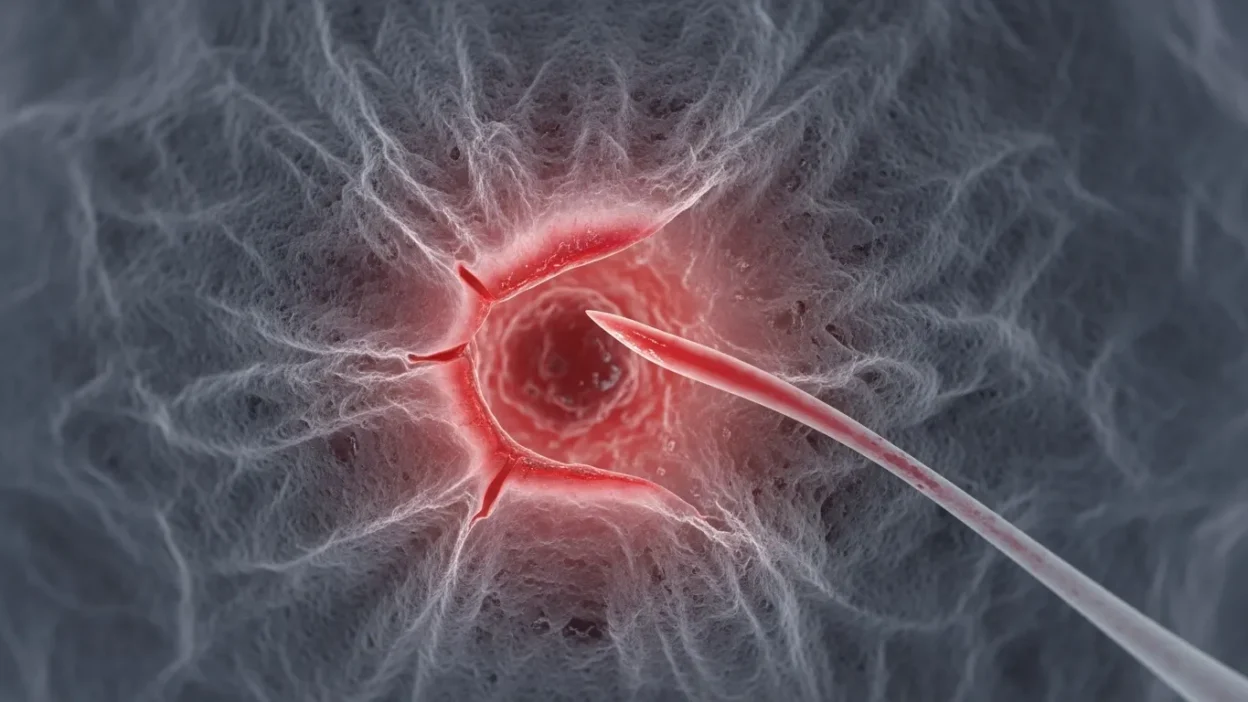
An infected cut is a wound where harmful bacteria have entered and started multiplying, causing redness, swelling, pain, pus, and delayed healing.
Meaning Table
| Term | Simple Meaning |
|---|---|
| Infected cut | A wound with bacterial growth |
| Redness | Skin turning pink or deep red |
| Swelling | Puffy or raised skin |
| Pus | Thick yellow, green, or white fluid |
| Warmth | Area feels hot to touch |
| Delayed healing | Wound not closing over time |
Normal Cut vs Infected Cut
A normal cut usually looks clean, slightly red at first, and slowly forms a scab as it heals. Mild tenderness is common but improves day by day.
An infected cut, on the other hand, often gets worse instead of better. Redness spreads, swelling increases, pain becomes stronger, and fluid may leak from the wound. Healing slows down or completely stops.
Common Signs of an Infected Cut
Redness That Spreads
An infected cut often has redness that extends beyond the wound edges. Instead of staying small, the red area grows larger over time. This redness may look bright red or dark and angry.
Swelling Around the Cut
Swelling is another clear sign. The skin around the cut may look puffy, tight, or raised. In severe cases, the swelling can make movement painful, especially if the cut is near a joint.
Warmth and Heat
If the skin around the cut feels warmer than the surrounding area, it can indicate infection. This warmth is caused by increased blood flow as the body tries to fight bacteria.
Pain That Gets Worse
Pain from a normal cut usually decreases each day. With an infected cut, pain may increase, throb, or feel sharp. Touching the area can be very uncomfortable.
Pus or Discharge
One of the strongest signs of infection is pus. This fluid may be yellow, green, white, or cloudy and often has a bad smell. Clear fluid is normal, but thick discharge is not.
Slow or No Healing
An infected cut often stays open longer than expected. The scab may break down repeatedly, or the wound may look wet instead of closing.
Advanced Signs of Infection
If the infection worsens, additional symptoms may appear.
Red Streaks
Red lines spreading from the cut toward the heart can be a sign that infection is moving through the lymph system. This requires urgent medical attention.
Fever or Chills
A fever means the body is reacting to infection. If a cut is accompanied by fever, fatigue, or chills, it may be more serious.
Swollen Lymph Nodes
Lymph nodes near the infected area, such as in the neck, armpit, or groin, may swell and feel tender.
Skin Color Changes
The skin around an infected cut may turn deep red, purple, or even black in severe cases. This can signal tissue damage.
What an Infected Cut Looks Like on Different Body Parts
On the hand or finger, an infected cut may swell so much that bending becomes painful.
On the leg or foot, redness may spread quickly due to poor circulation.
On the face, infection may cause visible swelling and warmth, sometimes affecting nearby areas like the eyes.
Causes of Cut Infections
Cuts can become infected due to several reasons.
- Poor wound cleaning
- Dirt or bacteria entering the wound
- Deep or jagged cuts
- Weakened immune system
- Diabetes or poor circulation
When to See a Doctor
You should see a doctor if:
- Redness continues to spread
- Pus keeps coming out
- Pain becomes severe
- Fever develops
- The cut does not improve after a few days
Early treatment with antibiotics or proper wound care can stop the infection from spreading.
FAQs
What color is an infected cut?
An infected cut is often red, dark red, or surrounded by discolored skin.
Is pus always a sign of infection?
Yes, thick yellow, green, or white pus usually indicates infection.
Can an infected cut heal on its own?
Mild infections may improve, but many require medical treatment.
How long does it take for a cut to get infected?
Infection can start within one to three days after injury.
Is swelling normal after a cut?
Mild swelling is normal, but increasing swelling suggests infection.
Conclusion
An infected cut often looks red, swollen, warm, painful, and may leak pus. Unlike a normal healing wound, it gets worse instead of better over time. Recognizing these signs early is essential to prevent complications.
Proper wound care, cleanliness, and timely medical attention can help ensure fast and safe healing. If you ever feel unsure about a cut’s appearance, it is always better to get it checked by a healthcare professional.
See Also More :
- What Does Standing on Business Mean? Definition & Meaning Explained 2026
- What Does Ditto Mean in Texts and Speech? 2026