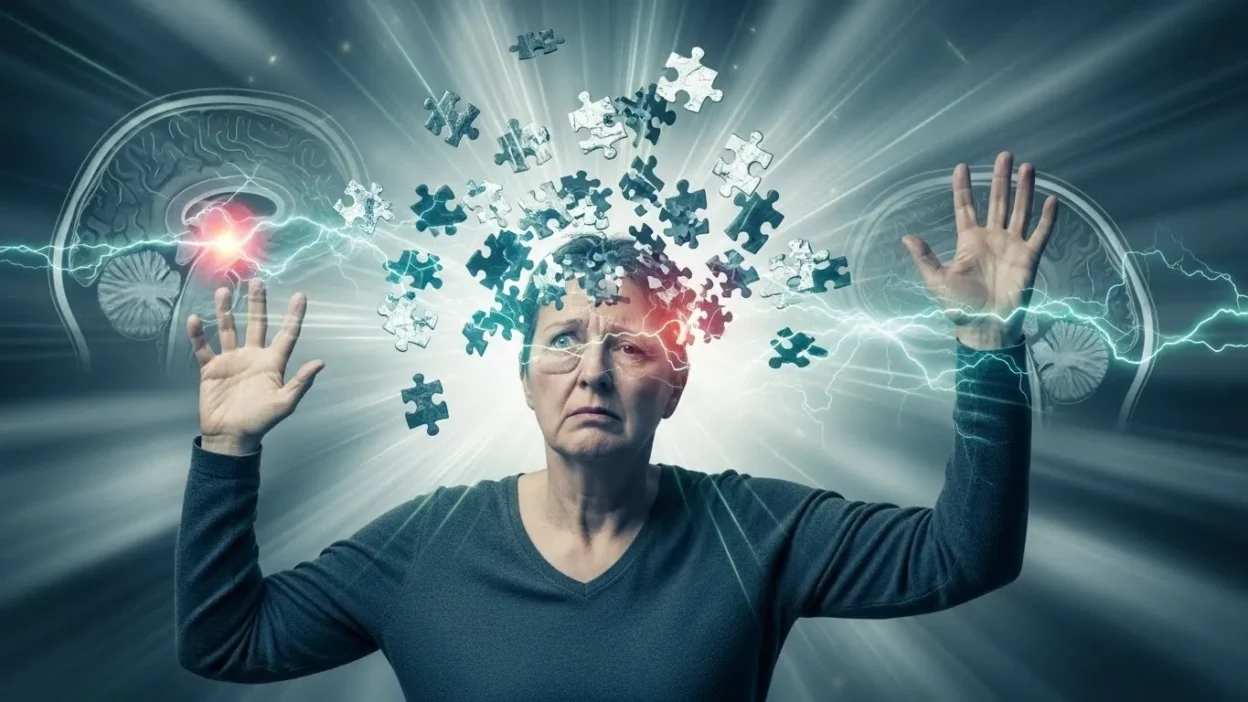
A stroke is a medical emergency that can happen suddenly, often without warning. Many people wonder, “What does a stroke feel like?” because recognizing it quickly can save a life. Strokes happen when blood flow to the brain is interrupted, either due to a blockage (ischemic stroke) or a bleed (hemorrhagic stroke).
The sensations and symptoms can vary depending on the type of stroke and which part of the brain is affected.
Understanding the early signs and how a stroke feels can help you act fast and get medical attention immediately. Quick response is crucial for minimizing brain damage and improving recovery chances.
🧠 Common Sensations During a Stroke
Here are the most common feelings and symptoms people experience during a stroke:
1. Sudden Weakness or Numbness
- Often occurs on one side of the body (arm, leg, or face).
- You might feel your arm or leg “heavy” or unable to move.
Example: Lifting your arm suddenly becomes impossible on one side.
2. Facial Drooping
- One side of the face may droop or feel numb.
- Smiling might look uneven or distorted.
3. Trouble Speaking or Understanding Speech
- Difficulty forming words (slurred speech) or understanding others.
- You might feel confused or have trouble finding the right words.
4. Vision Problems
- Sudden blurred or double vision
- Loss of vision in one eye or part of the visual field
5. Dizziness or Loss of Balance
- Feeling lightheaded, unsteady, or unable to walk properly
- Sudden falls or coordination problems
6. Severe Headache
- Intense, sudden headache, often described as “the worst headache ever”
- More common with hemorrhagic strokes
📱 Real-Life Examples
- A person trying to lift a cup notices one arm suddenly goes limp.
- Smiling for a photo feels strange because one side of the face droops.
- Words come out slurred when trying to say a simple sentence.
- Walking across the room suddenly feels unsteady or dizzy.
- A sudden, intense headache appears without warning.
🕓 How Quickly Do Symptoms Appear?
- Stroke symptoms usually appear suddenly, not gradually.
- Some strokes may last only a few minutes (transient ischemic attacks, or TIAs), while others can persist and worsen rapidly.
- Acting fast calling emergency services immediately is critical.
🔄 Recognizing a Stroke: FAST Method
The FAST acronym helps identify a stroke quickly:
| Letter | Meaning | What to Check |
|---|---|---|
| F | Face | Ask them to smile. Does one side droop? |
| A | Arms | Ask them to raise both arms. Does one drift downward? |
| S | Speech | Ask them to repeat a simple phrase. Is speech slurred? |
| T | Time | Call emergency services immediately if any signs appear |
Using FAST can save crucial minutes in getting treatment.
🌟 Other Sensations You Might Feel
- Sudden confusion or trouble understanding simple instructions
- Weakness or numbness in legs or hands
- Difficulty swallowing
- Nausea or vomiting
- Sudden fatigue or unusual drowsiness
Not all symptoms occur together. Even one symptom should be taken seriously.
✅ What to Do If You Suspect a Stroke
- Call emergency services immediately. Time is brain.
- Keep the person calm and seated if possible.
- Do not give food or drink; swallowing may be impaired.
- Note the time symptoms started, as treatments depend on timing.
- Stay with the person until help arrives.
Early treatment can significantly reduce long-term damage and improve recovery.
🏁 Conclusion
A stroke can feel sudden and alarming, with symptoms like numbness, weakness, facial drooping, slurred speech, vision problems, dizziness, or a severe headache.
Recognizing these early signs is vital because prompt medical attention can save lives and prevent permanent brain damage. Using tools like the FAST method helps you act quickly.
Even if symptoms seem mild or short lived, seek emergency care immediately. Being aware of what a stroke feels like can make the difference between a full recovery and lasting disability.
FAQs
What does a stroke feel like?
A stroke can feel like sudden numbness, weakness, facial drooping, slurred speech, vision problems, dizziness, or a severe headache, usually on one side of the body.
Are strokes painful?
Some strokes, especially hemorrhagic strokes, can cause a severe headache, but ischemic strokes may not cause pain.
Can stroke symptoms come and go?
Yes, in a transient ischemic attack (TIA), symptoms may disappear after a few minutes but still require urgent care.
How fast do stroke symptoms appear?
Symptoms typically appear suddenly, often within seconds or minutes.
What should I do if I feel stroke symptoms?
Call emergency services immediately. Acting fast can save brain tissue and improve recovery chances.
Can strokes happen to young people?
Yes, while more common in older adults, strokes can occur at any age.