
Quick Answer:
Branding means creating a unique identity for a business, product, or person. It is a professional and strategic term used to describe how something is presented and remembered.
Have you ever heard someone say, “It’s all about branding,” and wondered what they really meant? Maybe you saw the word in a business video, a marketing post, or even in a casual conversation about influencers.
At first, branding can sound complicated or corporate. But once you understand it, the concept becomes much clearer and surprisingly relatable.
In simple words, branding is how people recognize you and what they feel when they think about you.
What Does Branding Mean?
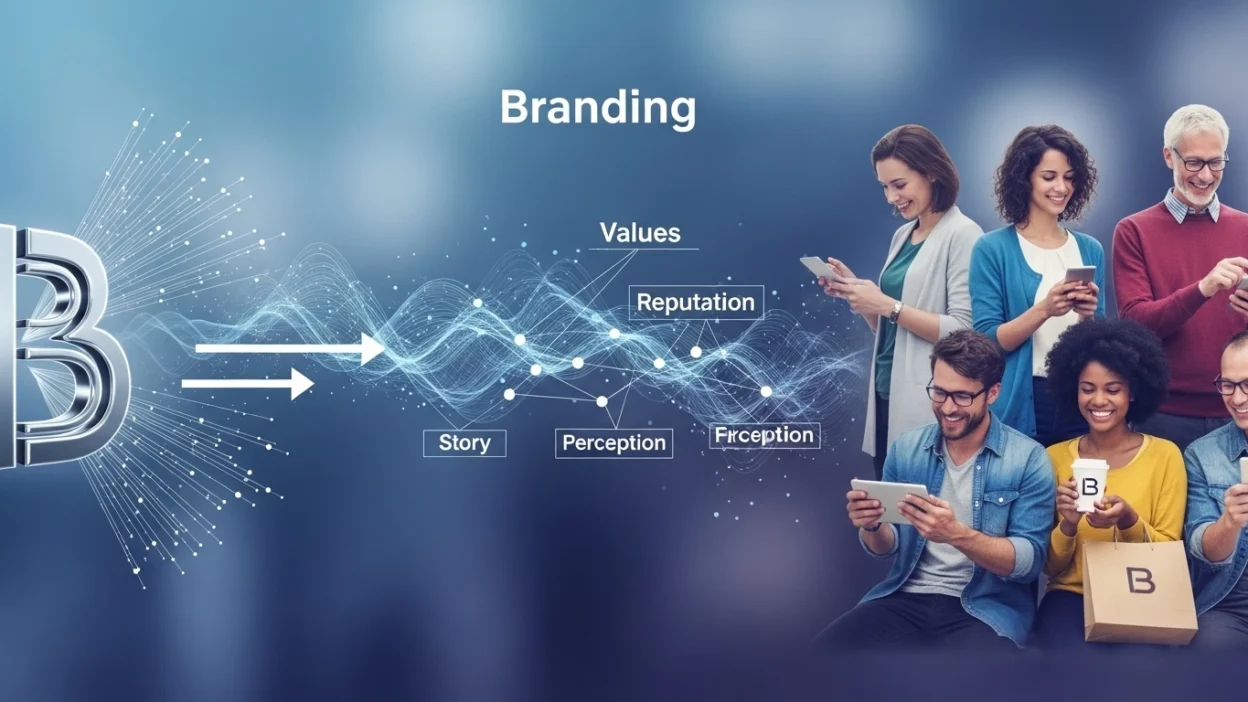
Branding refers to the process of shaping a distinct image, identity, and perception in the minds of customers or audiences. It goes far beyond a logo or a color scheme. Branding includes everything that influences how people see and remember a business, product, service, or even a personal identity.
Branding includes:
- Name and logo
- Colors and design style
- Tone of voice
- Values and mission
- Customer experience
- Reputation
Example sentence:
“Our branding focuses on simplicity and trust.”
In short:
Branding = identity creation = how people recognize and feel about you
Branding Meaning Table
| Term | Meaning | Purpose | Example |
|---|---|---|---|
| Branding | Creating a unique identity | Build recognition and trust | Nike swoosh |
| Brand | The identity itself | Customer perception | Apple |
| Marketing | Promoting products | Increase sales | Ads and campaigns |
| Logo | Visual symbol | Instant recognition | McDonald’s arches |
| Personal Branding | Individual identity building | Career growth | Influencer profile |
This table shows branding is broader than just design. It shapes perception.
Where Is Branding Commonly Used?
Branding is used across many industries and platforms. It is especially popular in:
- 💼 Business and startups
- 📱 Social media influencer marketing
- 🎥 Content creation
- 🛍 Retail and ecommerce
- 🎓 Professional career development
Formality level:
Branding is a professional and business friendly term. However, it is also widely used in casual social media discussions.
Examples of Branding in Conversation
Here are some realistic examples:
A: Why is their company so popular
B: Their branding is strong and consistent
A: I need better colors for my website
B: That is part of your branding
A: She always posts in the same style
B: Yeah her personal branding is solid
A: Why do people trust that company
B: Their branding builds credibility
A: I want to grow on social media
B: Focus on branding first
Types of Branding
Branding can apply in different ways:
Business Branding
Creating a strong company identity that customers recognize and trust.
Personal Branding
Building your personal reputation online or offline to stand out professionally.
Product Branding
Giving a specific product its own identity to attract a target audience.
Corporate Branding
Shaping the overall image of a large organization.
Why Branding Is Important
Branding helps:
- Build trust
- Create loyalty
- Increase recognition
- Stand out from competitors
- Influence buying decisions
Strong branding makes customers choose you even if your price is higher.
When to Use and When Not to Use the Word Branding
When to Use Branding
Use it when discussing:
- Business identity
- Marketing strategy
- Social media presence
- Professional growth
- Visual consistency
When Not to Use Branding
Avoid using it when:
- Talking about casual personal style
- Referring to random design choices
- Describing something unrelated to identity
Context Comparison Table
| Context | Example Phrase | Why It Works |
|---|---|---|
| Business Meeting | “Our branding needs clarity.” | Professional discussion |
| Social Media Chat | “Your branding looks clean.” | Casual but relevant |
| Academic Paper | “Branding influences perception.” | Formal usage |
| Random Chat | “Nice shirt, great branding.” | May not fit context |
Similar Terms or Alternatives
| Term | Meaning | When to Use |
|---|---|---|
| Identity | Who you are | General conversation |
| Image | Public perception | Informal use |
| Reputation | Public opinion | Formal and casual |
| Marketing | Promotion strategy | Sales discussions |
| Positioning | Market placement | Strategic planning |
Branding is unique because it combines identity, image, and perception into one concept.
FAQs
What is the simple meaning of branding?
Branding means creating a unique identity that helps people recognize and remember a business or person.
Is branding the same as marketing?
No. Branding builds identity and perception, while marketing promotes products or services.
What is personal branding?
Personal branding is shaping how others see you professionally, especially online.
Why is branding important for small businesses?
It helps build trust, stand out from competitors, and attract loyal customers.
Can branding exist without a logo?
Yes. Branding includes values, tone, and customer experience, not just visuals.
Conclusion
Branding is more than a logo or catchy slogan. It is the overall identity that shapes how people see and remember a business or individual. Strong branding builds trust, recognition, and loyalty.
you are running a company, building a social media presence, or growing your career, branding plays a powerful role in success.
When done correctly, it creates a lasting impression that keeps people coming back.